
College Student Mental Health: Managing Anxiety and Depression

AI Summary
College student mental health challenges affect academic performance, social relationships, and long-term wellbeing across Western Pennsylvania campuses.
Early recognition of anxiety and depression symptoms enables timely intervention and prevents more severe mental health complications.
Effective treatment strategies combine professional psychiatric care, medication management, and lifestyle modifications tailored to student needs.
Accessible telepsychiatry services remove common barriers that prevent college students from seeking mental health support.
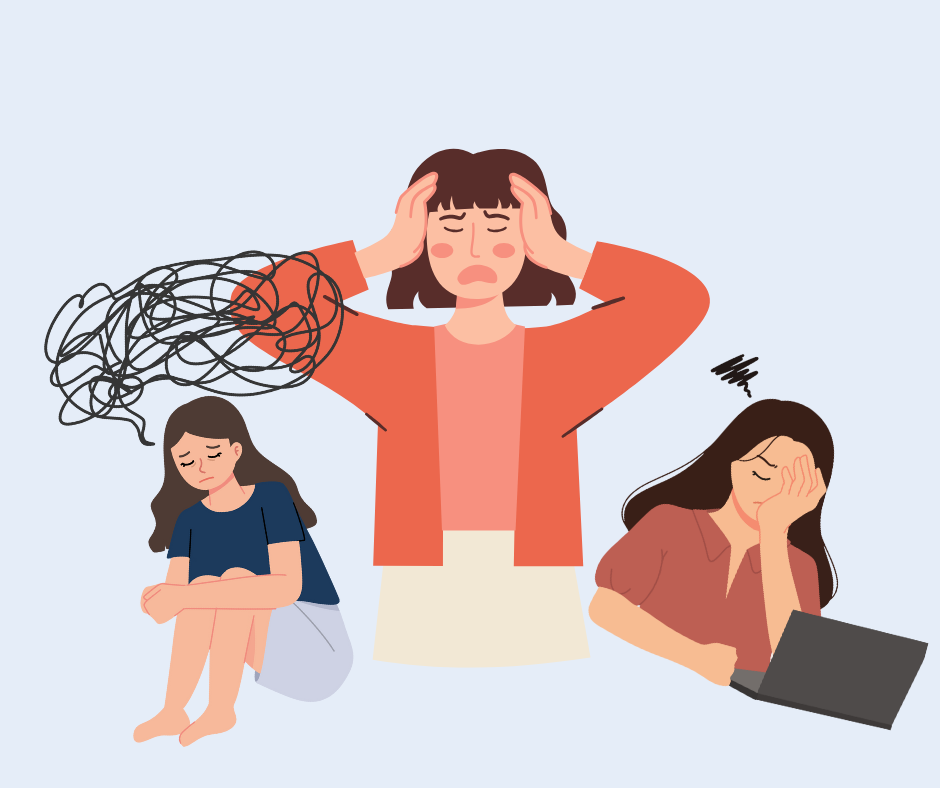
Nearly 85% of college students report feeling overwhelmed by their responsibilities, while anxiety and depression rates continue climbing on campuses nationwide. The transition from high school to college brings unprecedented academic pressure, social challenges, and independence that can trigger or worsen existing mental health conditions. For many students, this marks their first experience managing serious psychological symptoms without immediate family support.
College student mental health concerns extend far beyond temporary stress, often developing into persistent anxiety disorders and major depression that derail academic goals and personal relationships. Without proper treatment, these conditions frequently persist into adulthood, affecting career prospects and quality of life. Students in Western Pennsylvania have access to specialized Psychiatric Services designed to address these unique challenges through comprehensive evaluation and personalized treatment plans.
Why This Matters for Greensburg, PA Students and Families
College student mental health impacts not only individual students but entire families throughout Greensburg and Western Pennsylvania. Local universities including the University of Pittsburgh, Penn State, and Westmoreland County Community College serve thousands of students who may struggle silently with anxiety and depression. Many students return home during breaks showing signs of academic decline, social withdrawal, or concerning behavioral changes that alert parents to underlying mental health issues.
Families in Greensburg often feel helpless when their college-age children experience mental health crises, especially when students attend schools far from home. Geographic distance makes it difficult to provide immediate support or coordinate care with campus counseling centers that may have limited availability. Professional psychiatric intervention becomes essential when campus resources prove insufficient for addressing complex mental health conditions requiring medication management or intensive therapy.
Understanding College Student Mental Health Challenges
College student mental health encompasses a wide range of psychological conditions that commonly emerge during late adolescence and early adulthood. The combination of developmental brain changes, environmental stressors, and increased autonomy creates a perfect storm for mental health difficulties. Students face unique pressures that differ significantly from those experienced in high school or adult working environments.
Academic expectations increase dramatically with heavier course loads and more complex material requiring independent study
Social dynamics shift as students navigate new friendships while potentially losing touch with longtime support systems
Financial pressures mount through student loans, part-time work responsibilities, and managing personal expenses independently
Identity formation intensifies as students explore career paths, values, and personal relationships
Sleep disruption becomes common due to irregular schedules, social activities, and academic demands
Recognizing Anxiety and Depression Symptoms in College Students
Anxiety and depression often manifest differently in college students compared to other populations, making early identification challenging for both students and their families. Academic environments can mask or exacerbate symptoms, leading many students to attribute their struggles to normal college stress rather than treatable mental health conditions.
Common Anxiety Symptoms in Students
College anxiety frequently presents as excessive worry about academic performance, social acceptance, or future career prospects that interferes with daily functioning. Students may experience physical symptoms including rapid heartbeat, sweating, trembling, or gastrointestinal distress before exams, presentations, or social events. Avoidance behaviors often develop, causing students to skip classes, avoid social situations, or procrastinate on important assignments, which paradoxically increases their anxiety levels.
Sleep disturbances, including difficulty falling asleep due to racing thoughts or early morning awakening with worry, commonly accompany college anxiety disorders. Many students report feeling constantly "on edge" or unable to relax, even during breaks from academic responsibilities.
Depression Warning Signs
College depression may appear as persistent sadness, hopelessness, or emotional numbness that lasts for weeks or months. Students often lose interest in activities they previously enjoyed, including hobbies, social events, or academic pursuits that once brought satisfaction. Energy levels decrease significantly, making routine tasks like attending class, completing assignments, or maintaining personal hygiene feel overwhelming.
Changes in appetite and sleep patterns frequently occur, with some students sleeping excessively while others experience insomnia. Concentration difficulties make it challenging to focus during lectures, while reading assignments, or complete projects effectively.
Treatment Approaches for College Mental Health
Effective college student mental health treatment requires a comprehensive approach that addresses both immediate symptoms and underlying factors contributing to anxiety and depression. Treatment plans must account for the unique demands of academic life while providing practical strategies students can implement alongside their educational responsibilities.
Professional psychiatric evaluation helps determine whether symptoms represent adjustment difficulties, anxiety disorders, depression, or other mental health conditions requiring specialized intervention. Many students benefit from Medication Management combined with therapy, particularly when symptoms significantly impact academic performance or daily functioning. Students with attention difficulties may also require assessment for conditions like ADHD, as outlined in our comprehensive guide to ADHD Testing and Diagnosis Process: What to Expect in Greensburg PA.
Cognitive-behavioral therapy techniques help students identify and modify negative thought patterns that contribute to anxiety and depression. Stress management strategies, including time management skills, relaxation techniques, and healthy coping mechanisms, provide practical tools for managing academic pressure. For students considering different treatment options, our analysis of Anxiety Medication vs Therapy: Which Treatment is Right for You offers valuable insights into making informed decisions about care.
Accessing Mental Health Care During College
Traditional barriers to mental health treatment often prevent college students from seeking necessary care, including concerns about privacy, cost, transportation, and scheduling conflicts with classes. Many students worry about stigma associated with psychiatric treatment or fear that seeking help might affect their academic standing or future career prospects.
Telepsychiatry has revolutionized mental health care access for college students by eliminating geographic barriers and scheduling constraints. Students can receive professional psychiatric evaluation and ongoing care from their dorm rooms or off-campus housing, maintaining privacy while accessing specialized treatment. This approach proves particularly valuable for students attending colleges far from their home communities in Western Pennsylvania.
Virtual appointments accommodate demanding academic schedules and provide consistency during semester breaks when students return to Greensburg. Students can maintain therapeutic relationships with qualified psychiatrists throughout their college years without interruption due to location changes or academic travel.
Cost and Insurance Considerations
Mental health treatment costs vary depending on services required, insurance coverage, and treatment duration. Most insurance plans provide mental health benefits that cover psychiatric evaluation, therapy, and medication management, though copayments and deductibles apply. Students should verify their insurance coverage before scheduling appointments to understand their financial responsibility.
Many college students remain covered under their parents' health insurance plans until age 26, which typically provides better mental health benefits than student health plans. Some universities offer counseling services through student health centers, though these may have limited availability or provide only short-term support.
People Also Ask
What are the most common mental health issues affecting college students?
Anxiety disorders and depression represent the most prevalent mental health conditions among college students, often occurring together. Social anxiety, generalized anxiety disorder, and major depressive disorder frequently emerge during the college years due to developmental factors and environmental stressors. Attention deficit hyperactivity disorder, eating disorders, and substance use issues also commonly affect this population.
How can parents recognize if their college student needs mental health support?
Warning signs include significant changes in academic performance, social withdrawal, altered sleep or eating patterns, increased irritability, and loss of interest in previously enjoyed activities. Students may also report feeling constantly overwhelmed, express hopelessness about the future, or demonstrate increased conflict in relationships with family and friends.
When should college students seek professional psychiatric help instead of campus counseling?
Students should consider psychiatric evaluation when symptoms significantly impair academic performance, persist for several weeks despite campus counseling, or when medication management may be beneficial. Professional psychiatric care becomes essential for students with severe depression, panic attacks, or thoughts of self-harm that exceed the scope of typical campus mental health services.
Can college students receive mental health treatment without their parents knowing?
Students over 18 have the legal right to confidential mental health treatment without parental notification or consent. However, students using their parents' insurance may need to consider whether they want to discuss treatment with family members, as insurance explanations of benefits may be sent to the policyholder.
FAQ
How quickly can college students get an appointment for psychiatric evaluation?
Appointment availability varies based on urgency and provider schedules, with urgent situations often accommodated within days. Routine psychiatric evaluations for anxiety or depression typically occur within one to two weeks of initial contact. Telepsychiatry options may provide faster access to care compared to traditional in-person appointments.
Will seeking psychiatric treatment affect my academic record or future career?
Mental health treatment is protected by privacy laws and does not appear on academic transcripts or background checks. Seeking appropriate treatment often improves academic performance and career prospects by addressing symptoms that may otherwise interfere with success. Most employers cannot legally inquire about mental health treatment history.
What happens during a first psychiatric appointment for college student mental health concerns?
Initial appointments typically involve comprehensive evaluation of symptoms, medical history, family mental health history, and current stressors. The psychiatrist will assess how symptoms impact academic performance, relationships, and daily functioning to develop an appropriate treatment plan. Students should prepare to discuss their concerns openly and bring any relevant medical records or previous treatment information.
Can psychiatric medication help college students without interfering with their studies?
Modern psychiatric medications are designed to improve functioning rather than cause sedation or cognitive impairment. Many students experience enhanced academic performance once anxiety and depression symptoms are properly managed through medication. Psychiatrists work closely with students to find medications that provide symptom relief while maintaining mental clarity needed for academic success.
Get Professional College Student Mental Health Support in Greensburg, PA
College student mental health challenges require specialized care from experienced professionals who understand the unique pressures facing today's students. Delaying treatment often allows symptoms to worsen, potentially affecting academic achievement, relationships, and long-term career goals. With years of experience serving families throughout Greensburg and Western Pennsylvania, our team provides comprehensive psychiatric evaluation and treatment tailored specifically to college student needs.
The transition to independence should be exciting rather than overwhelming, and proper mental health support makes this possible for students struggling with anxiety and depression. Our compassionate approach combines evidence-based treatment with practical strategies that fit seamlessly into demanding academic schedules, helping students thrive both personally and academically.
Visit T and C Psychiatric Services or call 724-951-2413 today. Your mental health deserves the same attention you give your education. Contact us for more information.



Comments