
Mental Health Services for Seniors: Addressing Late-Life Depression
- T and C Psych

- 8 hours ago
- 5 min read
AI Summary
Late-life depression affects over 6 million seniors nationwide, yet remains one of the most underdiagnosed mental health conditions in older adults.
Professional psychiatric care can significantly improve quality of life for seniors through personalized treatment plans including therapy and medication management.
Specialized mental health services address unique challenges seniors face, from chronic illness to social isolation and life transitions.
Early intervention and ongoing support help seniors maintain independence and strengthen family relationships during their golden years.
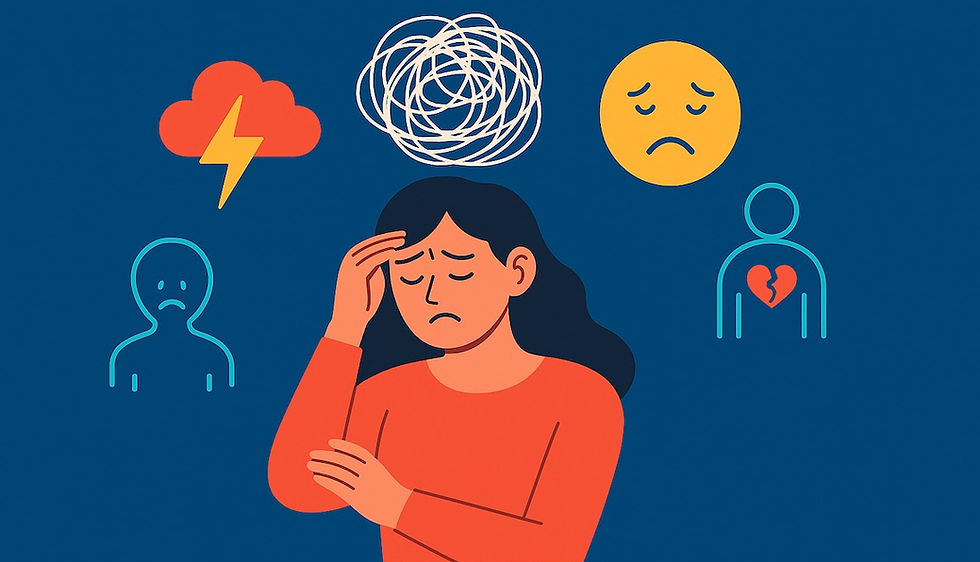
Nearly one in four seniors experiences symptoms of depression, yet only a fraction receive the specialized care they need. Many families dismiss changes in mood, energy, or social engagement as "normal aging," missing critical warning signs that could be addressed with proper treatment.
Without professional intervention, late-life depression creates a downward spiral affecting physical health, cognitive function, and family relationships. The good news: specialized Psychiatric Services designed for seniors can restore hope and vitality to families throughout Greensburg, PA, helping older adults reclaim their sense of purpose and joy.
Why Mental Health Services for Seniors Matter in Greensburg, PA
Mental health services for seniors represent a critical healthcare need in Greensburg, PA, where many older adults face unique challenges that traditional primary care cannot fully address. Our aging population often deals with multiple life transitions simultaneously, from retirement and health changes to loss of loved ones and decreased independence.
Greensburg families frequently struggle to distinguish between normal aging processes and serious mental health symptoms that require professional attention. Local seniors may withdraw from community activities, stop participating in family gatherings, or experience persistent sadness that family members attribute to getting older rather than recognizing as treatable depression.
Understanding Late-Life Depression in Older Adults
Late-life depression differs significantly from depression in younger adults, often presenting with physical symptoms that mask underlying emotional distress. Seniors may experience fatigue, sleep disturbances, appetite changes, or cognitive difficulties without expressing typical feelings of sadness.
Chronic medical conditions frequently trigger or worsen depressive episodes in seniors
Medication interactions can contribute to mood changes and emotional instability
Social isolation and loneliness intensify depression symptoms in older adults
Grief from multiple losses compounds emotional challenges for seniors
Changes in brain chemistry naturally occur with aging, affecting mood regulation
Comprehensive Assessment and Treatment Planning
Effective mental health treatment for seniors begins with thorough evaluation that considers medical history, current medications, cognitive function, and social circumstances. Our clinicians understand how physical health conditions intersect with mental health in older adults.
Personalized Treatment Approaches
Every senior receives an individualized treatment plan that addresses their specific needs, preferences, and life circumstances. We consider factors like mobility limitations, family support systems, and existing medical treatments when designing care plans. Medication Management becomes particularly important for seniors who often take multiple prescriptions that can interact with psychiatric medications.
Family Involvement and Support
Family members play a crucial role in senior mental health treatment, often serving as advocates and support systems throughout the recovery process. We educate family members about depression symptoms, treatment expectations, and ways to provide meaningful support at home.
Addressing Barriers to Mental Health Care
Many seniors face significant obstacles when seeking mental health treatment, from transportation challenges to stigma about psychiatric care. Mobility issues, fixed incomes, and skepticism about mental health services can prevent older adults from accessing needed care.
Transportation difficulties limit access to traditional in-person appointments
Insurance coverage questions create confusion about treatment costs
Stigma from their generation makes many seniors reluctant to seek help
Physical health problems may seem more urgent than mental health concerns
Family members may not recognize when professional help is needed
Treatment Options and Expected Outcomes
Senior mental health treatment typically combines therapy, medication management, and lifestyle interventions tailored to each individual's capabilities and preferences. Many older adults respond well to structured treatment approaches that provide clear goals and measurable progress indicators.
Treatment timelines vary based on depression severity, overall health status, and individual response to interventions. Most seniors begin experiencing mood improvements within four to six weeks of starting treatment, with continued progress over several months. The Best Mental Health Services in Westmoreland County PA provide comprehensive care that addresses both immediate symptoms and long-term wellness goals.
People Also Ask
What are the warning signs of depression in elderly adults?
Common signs include persistent sadness, loss of interest in activities, changes in appetite or sleep patterns, fatigue, and withdrawal from social activities. Physical complaints without clear medical causes may also indicate depression in seniors.
How is depression treated differently in seniors compared to younger adults?
Treatment for seniors requires careful consideration of existing medical conditions, medication interactions, and age-related changes in drug metabolism. Lower starting doses and slower adjustments are typically necessary for safety and effectiveness.
Can seniors receive mental health treatment from home?
Yes, Telepsychiatry allows seniors to receive professional psychiatric care from the comfort and safety of their homes. This option is particularly beneficial for those with mobility limitations or transportation challenges.
How long does it take to see improvement in senior depression treatment?
Most seniors begin noticing mood improvements within 4-6 weeks of starting treatment, though full benefits may take several months. Consistent treatment and regular follow-up appointments help ensure optimal outcomes for older adults.
FAQ
Does Medicare cover mental health services for seniors?
Medicare Part B covers outpatient mental health services, including psychiatric evaluations and therapy sessions, typically covering 80% of approved costs after the deductible is met. Many Medicare Advantage plans offer additional mental health benefits.
What should family members do if a senior refuses mental health treatment?
Start with gentle conversations about specific concerns rather than general suggestions about getting help. Involving their primary care doctor in the discussion can help normalize mental health treatment and reduce resistance.
Are there any risks with psychiatric medications for elderly patients?
While psychiatric medications can be very effective for seniors, they require careful monitoring due to age-related changes in metabolism and potential interactions with other medications. Regular follow-up appointments ensure safe and effective treatment.
How can families support a senior family member receiving mental health treatment?
Family support includes attending appointments when appropriate, helping with medication management, encouraging social activities, and maintaining regular communication with healthcare providers. Virtual Mental Health Services Near Me in Western PA can help families stay connected to treatment even when distance is a factor.
Get Professional Mental Health Support for Your Senior Family Member
If you notice changes in your senior family member's mood, energy, or daily functioning, professional evaluation can provide clarity and hope for improvement. Our experienced team understands the unique mental health needs of older adults in Greensburg, PA, and provides compassionate care that respects their dignity and autonomy.
With years of experience serving seniors and their families throughout Western Pennsylvania, we recognize that seeking mental health treatment represents courage and wisdom, not weakness. Early intervention leads to better outcomes and helps seniors maintain their independence while strengthening family relationships.
Visit T and C Psychiatric Services or call 724-951-2413 today. Your senior family member deserves to experience joy and fulfillment in their golden years. Contact us for more information.


Comments