
Why Psychiatric Evaluations Are Essential for Managing Mental Health

Mental health is a vital aspect of overall well-being, and psychiatric evaluations play a crucial role in understanding and managing mental health conditions. Whether you’re struggling with anxiety, depression, mood disorders, or any other condition, a comprehensive psychiatric evaluation can provide valuable insights into your emotional and psychological health. Below, we explore the importance of these evaluations and how they can improve mental health management.
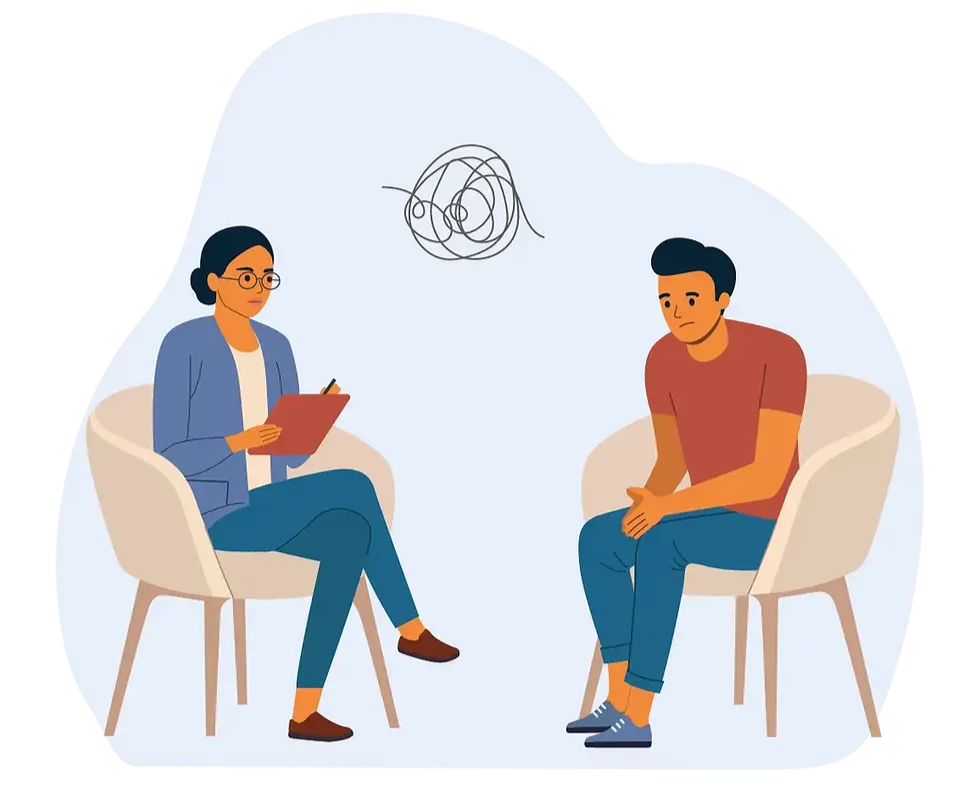
What is a Psychiatric Evaluation?
A psychiatric evaluation is a thorough assessment conducted by a licensed mental health professional. It involves interviews, questionnaires, and assessments that help the clinician understand your thoughts, behaviors, and emotions. This evaluation provides the foundation for a diagnosis and helps in developing an individualized treatment plan.
The evaluation typically includes:
Personal and family medical history: This helps identify any genetic predisposition to mental health conditions.
Assessment of current symptoms: The clinician asks about your emotional state, thought patterns, and physical symptoms.
Behavioral analysis: How your mental state impacts your daily life is an important factor in treatment planning.
Benefits of Psychiatric Evaluations
Psychiatric evaluations provide several key benefits, including:
Accurate Diagnosis: A mental health condition can present with a wide variety of symptoms, many of which overlap with other illnesses. A thorough evaluation allows for a more accurate diagnosis, which is critical for effective treatment.
Personalized Treatment Plans: After the evaluation, the clinician can design a treatment plan tailored specifically to your needs. This plan may include therapy, medication, or other interventions based on the nature of the diagnosis.
Early Detection: Mental health issues often go undiagnosed for months or even years. By undergoing regular psychiatric evaluations, individuals can detect conditions in the early stages before they worsen, improving long-term outcomes.
Tracking Progress: Periodic evaluations allow healthcare professionals to monitor progress over time, making necessary adjustments to the treatment plan to ensure continuous improvement.
When Should You Consider a Psychiatric Evaluation?
While psychiatric evaluations can be helpful for anyone, certain signs may indicate the need for one. If you experience any of the following, it's worth considering an evaluation:
Persistent feelings of sadness or hopelessness that don't seem to go away.
Increased irritability or mood swings that are difficult to control.
Social withdrawal or difficulty maintaining relationships.
Changes in behavior, such as excessive worry, sleep problems, or loss of interest in activities you once enjoyed.
These symptoms may signal underlying mental health conditions that require attention.
How Psychiatric Evaluations Help with Treatment
Once a diagnosis is made, a psychiatric evaluation is the first step in determining an effective treatment approach. Treatments might include:
Psychotherapy (Talk Therapy): A mental health professional works with you to address negative thinking patterns and improve coping strategies.
Medication: Depending on the diagnosis, medication may be prescribed to help manage symptoms, such as antidepressants, anti-anxiety medications, or mood stabilizers.
Lifestyle Changes: Recommendations for improving sleep, diet, exercise, and stress management to support mental health.
The Role of T and C Psychiatric Services
At T and C Psychiatric Services, we specialize in helping individuals understand and manage their mental health through comprehensive evaluations. Our team of experienced professionals works with you to identify your needs and create a personalized plan for managing your mental health challenges. If you are experiencing symptoms or simply want to ensure your mental well-being, consider scheduling a psychiatric evaluation with us.


I particularly appreciated the emphasis on how understanding our inherent personality traits can significantly impact career trajectory and personal fulfillment. It's not just about knowing yourself, but leveraging that insight to make more informed decisions, whether in team dynamics or leadership roles. While the article beautifully articulates the 'why,' many readers might be wondering about practical, structured ways to accurately assess these traits and gain deeper self-insight. For those looking to explore this further, there are many valuable online psychological assessments available that can provide a structured framework for self-discovery.
The article rightly emphasizes that a psychiatric evaluation goes beyond symptoms to include crucial "behavioral analysis" – understanding how one's mental state impacts daily life. This holistic perspective is vital, as it moves beyond mere diagnosis to truly inform an individualized treatment plan that addresses the root causes and real-world implications. However, before or even during professional evaluation, many individuals grapple with internal conflicts, values, and ethical dilemmas that profoundly shape their emotional and psychological well-being. For those seeking to deepen their self-awareness and navigate these complex internal landscapes, resources for exploring personal ethics and values can provide valuable insights.
The point about psychiatric evaluations serving as the crucial foundation for both diagnosis and an individualized treatment plan really resonates. It highlights how critical a holistic understanding of a person's thoughts, behaviors, and emotions is, moving beyond just symptom identification to truly effective management. Often, before someone reaches out for a full psychiatric evaluation, they might be grappling with initial symptoms and seeking to understand their emotional state better. For those looking for an initial, confidential step to gauge their feelings, exploring a confidential online depression assessment can be a helpful starting point.