
How Can You Tell If You Need a Psychiatric Assessment?

AI Summary
Persistent emotional or behavioral symptoms may indicate the need for a psychiatric assessment.
Signs include anxiety, depression, mood changes, sleep issues, and difficulty functioning daily.
Early evaluation helps identify underlying mental health conditions accurately.
A psychiatric assessment provides clarity and guides effective treatment options.
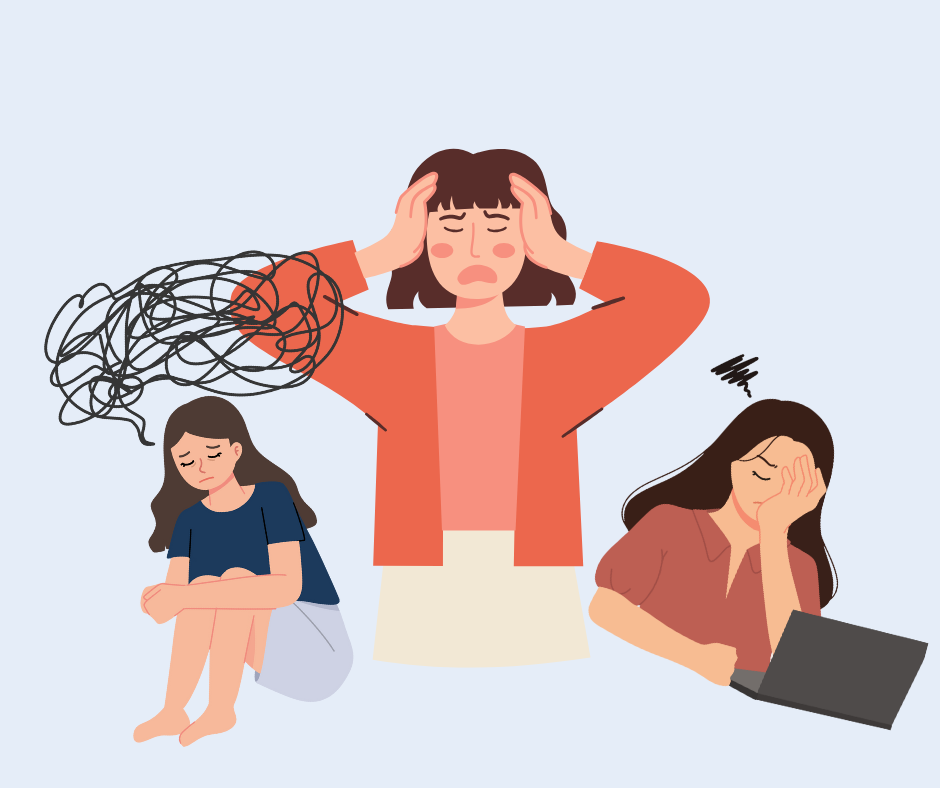
Many people wonder whether what they are feeling is “normal stress” or something that requires professional attention. It is common to delay seeking help, especially when symptoms come and go or feel manageable at times. However, mental health concerns often develop gradually, and recognizing when to seek a psychiatric assessment can make a significant difference in long-term outcomes.
A psychiatric assessment is not only for severe conditions. It is a proactive step toward understanding your mental health and finding the right support. This blog explains how to recognize when a psychiatric assessment may be needed and why early evaluation is important.
The Problem: Mental Health Symptoms Are Often Overlooked or Minimized
Mental health symptoms can be subtle at first. People may experience stress, irritability, fatigue, or difficulty concentrating and assume it is temporary. Over time, these symptoms may become more frequent or intense, but they are often dismissed or normalized.
Delaying evaluation can allow symptoms to worsen and interfere with daily life. Without a clear understanding of what is happening, individuals may struggle to find effective ways to manage their mental health.
The Solution: Recognizing Signs That Indicate the Need for Evaluation
A psychiatric assessment helps identify whether symptoms are part of a diagnosable condition and determines the best course of treatment. Recognizing early warning signs can help individuals seek support before symptoms become overwhelming.
At T and C Psychiatric Services, assessments are designed to provide clarity, reduce uncertainty, and guide individuals toward effective care.
What Is a Psychiatric Assessment?
A psychiatric assessment is a structured evaluation of mental health. It involves discussing symptoms, emotional experiences, medical history, and daily functioning. The goal is to understand what a person is experiencing and determine whether a mental health condition is present.
Assessments are personalized and focus on understanding the individual rather than applying a one-size-fits-all approach.
Common Signs You May Need a Psychiatric Assessment
Persistent Anxiety or Excessive Worry
Feeling anxious occasionally is normal, but ongoing or excessive worry may indicate an anxiety disorder. If anxiety interferes with daily life, relationships, or sleep, it may be time to seek evaluation.
Ongoing Low Mood or Loss of Interest
Feeling sad or unmotivated for extended periods can be a sign of depression. A loss of interest in activities that once felt enjoyable is another common indicator.
Difficulty Concentrating or Staying Focused
Problems with attention, focus, or completing tasks may suggest conditions such as ADHD or anxiety. If these difficulties affect work, school, or daily responsibilities, an assessment can provide clarity.
Significant Changes in Sleep or Appetite
Sleep disturbances, such as insomnia or excessive sleeping, can signal underlying mental health concerns. Changes in appetite or weight may also be linked to mood or anxiety disorders.
Mood Swings or Emotional Instability
Frequent or intense mood changes may indicate mood disorders. If emotions feel unpredictable or difficult to manage, evaluation can help identify the cause.
Feeling Overwhelmed or Burned Out
Chronic stress and burnout can impact mental health significantly. If feelings of overwhelm persist and affect daily functioning, professional support may be needed.
Withdrawal from Social Activities
Avoiding social interaction or losing interest in relationships may be a sign of depression, anxiety, or other mental health conditions.
Increased Irritability or Anger
Irritability and frustration can be signs of underlying emotional distress. If these feelings occur frequently or feel difficult to control, evaluation can help uncover the cause.
Difficulty Managing Daily Responsibilities
Struggling to keep up with work, school, or personal responsibilities may indicate that mental health symptoms are affecting functioning.
Thoughts of Hopelessness or Self-Harm
Experiencing thoughts of hopelessness, worthlessness, or self-harm requires immediate attention. Seeking professional help is essential in these situations.
Why Early Assessment Matters
Early evaluation allows for early intervention. Identifying mental health conditions before they become severe can improve treatment outcomes and reduce long-term impact.
Early support can also prevent symptoms from worsening and help individuals regain control more quickly.
What Happens During a Psychiatric Assessment
During an assessment, a psychiatrist will ask questions about symptoms, history, and daily life. They may use screening tools or questionnaires to gather additional information.
The process is conversational and supportive. It is designed to help individuals feel understood while gathering the information needed for accurate diagnosis.
Addressing Common Concerns About Assessments
Some people worry about being judged or labeled during a psychiatric assessment. In reality, assessments are focused on understanding and helping, not judging.
Others may feel unsure about whether their symptoms are “serious enough.” If symptoms are affecting your well-being or daily life, an assessment can provide valuable insight regardless of severity.
The Role of Ongoing Evaluation
Mental health is dynamic, and assessments may continue over time. Follow-up visits allow psychiatrists to monitor progress, adjust treatment, and refine diagnoses if needed.
Ongoing care ensures that treatment remains effective and relevant.
When to Seek Immediate Help
If you are experiencing severe distress, thoughts of self-harm, or inability to function, seeking immediate professional support is important. Early intervention can provide safety and stability.
People Also Ask
How do I know if I need a psychiatric evaluation?
If symptoms are persistent or affect daily life, an evaluation may be helpful.
Can I get assessed even if I am not sure what is wrong?
Yes. Assessments are designed to identify and clarify symptoms.
Is a psychiatric assessment only for serious conditions?
No. It can help with a wide range of concerns, from mild to severe.
What if my symptoms come and go?
Intermittent symptoms can still benefit from evaluation.
Frequently Asked Questions
Do I need a referral for a psychiatric assessment?
This depends on your provider and insurance plan.
How long does an assessment take?
Most assessments last between thirty and sixty minutes.
Will I be diagnosed right away?
Sometimes, but follow-up may be needed for clarity.
Can assessments be done online?
Yes. Online assessments follow similar standards.
What should I bring to my appointment?
Information about symptoms, history, and any current medications can be helpful.
Taking the First Step Toward Better Mental Health
Recognizing the need for a psychiatric assessment is an important step toward understanding and improving mental health. Early evaluation provides clarity, reduces uncertainty, and opens the door to effective treatment.
If you are experiencing ongoing symptoms or feeling unsure about your mental health, professional support can help. Call 724-951-2413 or complete our secure online form to connect with T and C Psychiatric Services. Taking the first step can lead to meaningful and lasting change.


Comments