
What Are the Most Effective Therapies for Anxiety Disorders?
- T and C Psych

- Dec 22, 2025
- 5 min read
AI Summary
Anxiety disorders respond well to evidence-based therapies such as cognitive behavioral therapy, exposure therapy, and mindfulness-based approaches.
Therapy helps people understand their anxiety patterns, change unhelpful thoughts, and reduce physical symptoms.
Many therapies can be combined with medication for stronger, long-term results.
Psychiatric guidance ensures each person receives the right therapy for their symptoms and goals.
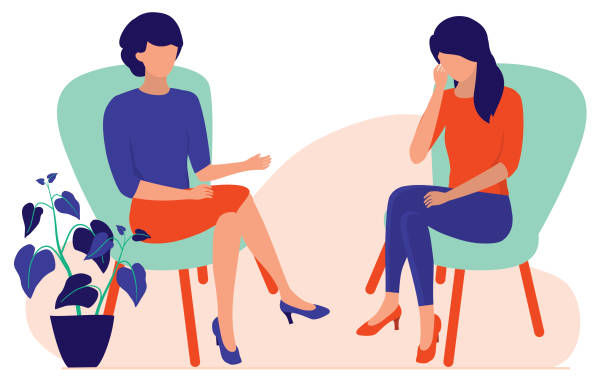
Anxiety disorders affect millions of adults, often disrupting daily routines, emotional well-being, and physical health. While medication can reduce certain symptoms, therapy remains one of the most powerful and long-lasting treatments for anxiety. The right therapy helps individuals understand their fears, challenge unhelpful thoughts, reduce avoidance, and learn practical skills that restore confidence and calm.
This blog explains the most effective therapies for anxiety disorders, how they work, and why psychiatric support at T and C Psychiatric Services can help personalize treatment to each individual’s needs.
The Problem: Anxiety Becomes Overwhelming Without the Right Tools
Anxiety disorders involve more than occasional worry. They create persistent fear, tension, and physical symptoms that interfere with relationships, work, sleep, and emotional stability. People with anxiety often experience restlessness, racing thoughts, irritability, difficulty concentrating, and a constant sense of danger. Many struggle alone, hoping the anxiety will fade with time, but chronic anxiety rarely improves without structured treatment.
Without therapy, individuals may avoid situations that trigger anxiety, rely on unhealthy coping mechanisms, or feel embarrassed to discuss their symptoms. Over time, avoidance strengthens the fear response, making anxiety worse. The right therapy breaks these patterns and teaches individuals how to regain control over their thoughts and physical reactions.
The Solution: Evidence-Based Therapies That Target Anxiety at Its Core
Therapy provides a safe, structured environment where individuals can explore their anxiety, understand its triggers, and learn skills that reduce symptoms. The most effective therapies for anxiety are backed by years of research and clinical success. Psychiatrists often recommend specific therapies that fit each person’s symptoms, history, and goals. These therapies help reduce fear, improve emotional regulation, and support long-term mental wellness.
Most Effective Therapies for Anxiety Disorders
Cognitive Behavioral Therapy
Cognitive behavioral therapy is one of the most widely used treatments for anxiety disorders. It helps individuals identify negative thought patterns that contribute to fear and worry. By understanding how thoughts influence emotions and behaviors, patients learn to challenge anxious thinking and replace it with more balanced, realistic thoughts. Over time, this reduces worry, calms the mind, and supports stronger coping skills. Cognitive behavioral therapy also includes behavioral exercises that help individuals face fears safely and gradually.
Exposure Therapy
Exposure therapy helps individuals face situations or thoughts that trigger anxiety in a controlled and supportive setting. Avoidance strengthens anxiety, while exposure reduces it. By encountering feared situations step by step, patients build confidence and retrain their brains to interpret these experiences as safe. This therapy is especially effective for phobias, panic disorder, social anxiety, and obsessive-compulsive patterns.
Mindfulness-Based Therapy
Mindfulness-based therapy helps individuals observe their thoughts without judgment. Instead of reacting to fear or trying to suppress anxiety, mindfulness encourages calm awareness. This reduces emotional intensity and teaches people how to stay present during moments of stress. Mindfulness-based interventions often include breathing exercises, grounding techniques, and gentle emotional awareness practices that help reduce physical tension and improve emotional stability.
Acceptance and Commitment Therapy
Acceptance and commitment therapy focuses on accepting anxious thoughts rather than fighting them. Patients learn to detach from unhelpful thinking patterns and commit to actions that align with personal values. This therapy helps reduce emotional resistance, improve flexibility in thinking, and increase a person’s ability to function even when anxiety is present.
Interpersonal Therapy
Interpersonal therapy focuses on how relationships and communication patterns influence anxiety. This approach helps patients improve boundaries, gain confidence in expressing emotions, and resolve interpersonal conflicts that contribute to stress and fear. It is particularly effective when anxiety is connected to social struggles or relationship difficulties.
Dialectical Behavior Therapy
Dialectical behavior therapy teaches emotional regulation, distress tolerance, mindfulness skills, and communication strategies. While originally designed for emotional instability, it is effective for managing anxiety that feels overwhelming or difficult to control. Patients learn how to stay grounded during intense fear and how to communicate more effectively under stress.
Trauma Informed Therapy
For individuals whose anxiety stems from past trauma, trauma-informed therapy helps process difficult memories in a safe, gradual way. This approach reduces emotional triggers, restores a sense of safety, and supports long-term healing. Trauma-based anxiety often requires specialized techniques that gently address fear at the root.
How Psychiatrists Help Choose the Right Therapy
Psychiatrists evaluate symptoms, personal history, lifestyle factors, and emotional patterns before recommending a therapy approach. They help determine whether a patient may benefit most from cognitive behavioral therapy, exposure therapy, mindfulness-based therapy, or a combination of approaches. Psychiatrists also consider whether medication may enhance therapy by reducing symptoms enough for patients to engage more effectively.
At T and C Psychiatric Services, personalized plans ensure that patients feel supported and understood throughout their treatment journey.
When Therapy Is Most Effective
Therapy is most powerful when individuals participate consistently and practice skills between sessions. Over time, patients notice improvements in mood, emotional regulation, confidence, and daily functioning. For moderate or severe anxiety, combining therapy with medication often creates the strongest results. Therapy builds long-term resilience, helping individuals prevent relapse and manage stress more effectively.
People Also Ask
What therapy works best for anxiety disorders?
Cognitive behavioral therapy is one of the most effective approaches, but the best therapy depends on symptoms and individual needs.
How long does therapy take to reduce anxiety?
Some people notice improvement within a few weeks, while others benefit from longer-term therapy for lasting stability.
Is therapy alone enough for severe anxiety?
Therapy can be effective alone for some individuals, but others may benefit from a combination of therapy and medication.
Does online therapy work for anxiety?
Yes. Online therapy is effective and widely used, making treatment accessible and convenient.
Frequently Asked Questions
Can anxiety return after therapy?
Anxiety may return during stressful periods, but therapy provides tools that help individuals recognize symptoms early and regain control.
Do I need a psychiatrist or a therapist for anxiety?
Both can help. A psychiatrist can diagnose anxiety, prescribe medication, and recommend therapy. A therapist provides ongoing emotional skills training.
Can therapy help with physical symptoms of anxiety?
Yes. Therapy teaches relaxation techniques and coping strategies that reduce physical symptoms such as tension, rapid heartbeat, or dizziness.
How do I know if therapy is helping?
Signs of progress include improved sleep, reduced worry, increased confidence, and better ability to handle stress.
Will anxiety ever go away completely?
Many individuals experience strong and lasting improvement with therapy and psychiatric support. Early treatment helps reduce long-term symptoms.
Take the First Step Toward Relief and Emotional Strength
Anxiety does not have to control your life. With the right therapy and psychiatric guidance, you can reduce fear, calm your mind, and rebuild confidence. Evidence-based therapies offer real tools that support long-term wellness.
To begin a personalized treatment plan, call 724-951-2413 or fill out our secure online form to schedule an appointment with T and C Psychiatric Services. A calmer, more grounded future begins with the right support.


Comments